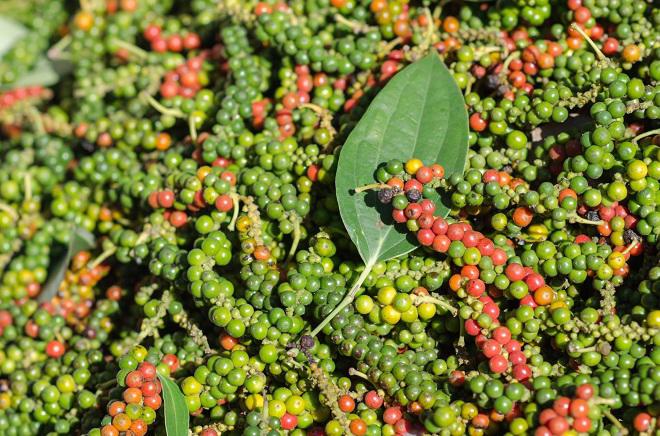
Executive Summary: Dak Lak Pepper Sector – 2026 Overview
Key Trend
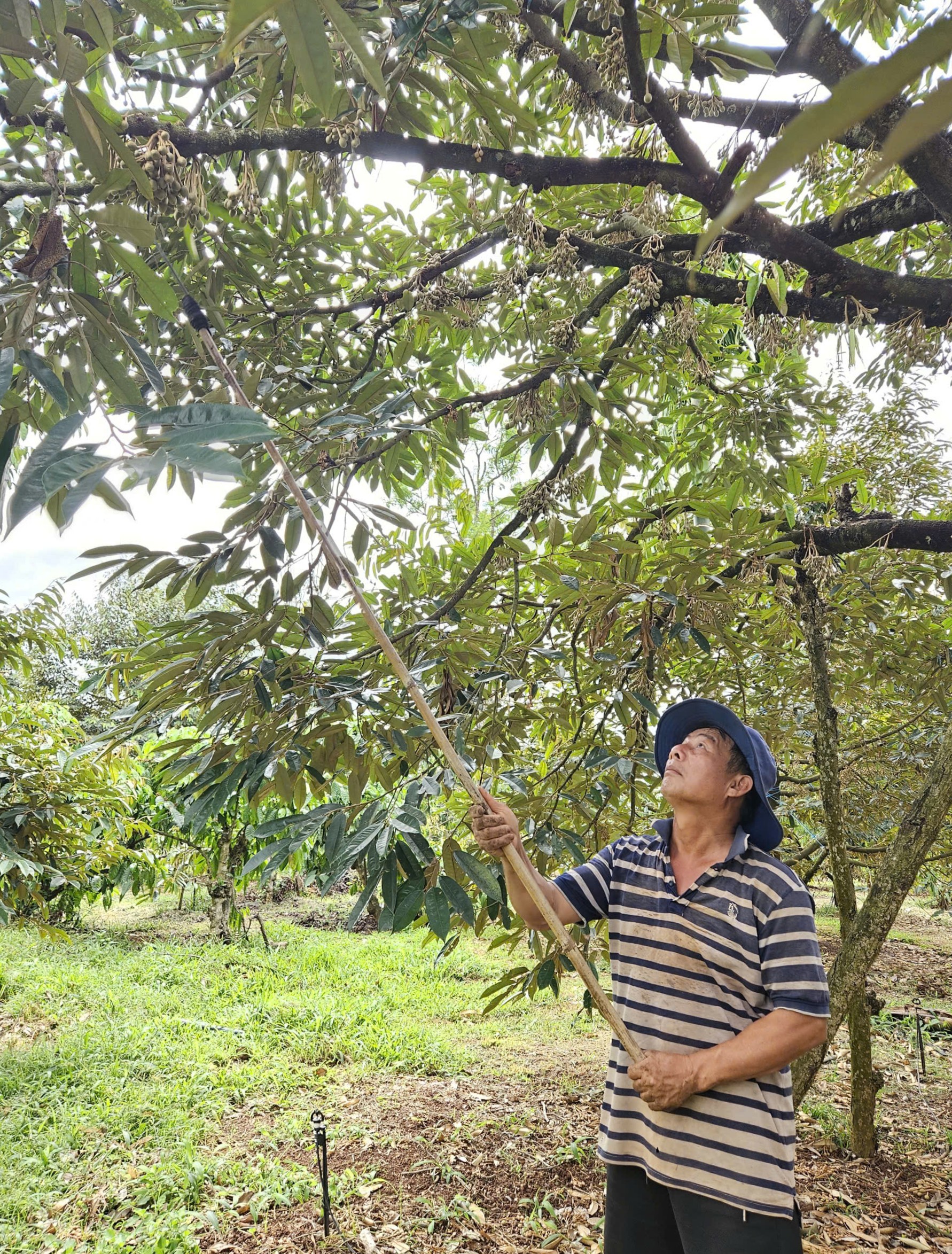
Farmers are increasingly switching from pepper to fruit crops due to the higher profitability and lower risk associated with these alternatives. The most significant shift is toward Durian production, which has seen strong demand and favorable market prices in recent years.

Drivers of the Shift
Several factors are contributing to the decline in pepper cultivation:
-
High production costs: Pepper farming requires significant investment in fertilizers, pesticides, irrigation systems, and plant support structures.
-
Disease pressure: Pepper vines are highly susceptible to soil-borne diseases such as root rot and fungal infections, which can destroy plantations.
-
Labor intensity: Maintaining pepper farms requires continuous management, including pruning, pest control, and soil treatment.
-
Market volatility: Global pepper prices have fluctuated over the past decade, reducing income stability for growers.
Expansion of Fruit Crops
Durian has emerged as the most attractive alternative crop for farmers in Dak Lak due to:
-
Strong export demand, particularly from Asian markets
-
Higher revenue potential per hectare compared with pepper
-
Long-term production potential once orchards are established
In addition to durian, farmers are also investing in other fruit crops such as avocado and jackfruit.
Agricultural Impact
This transition is gradually reshaping agricultural production in Dak Lak:
-
Decreasing area dedicated to pepper cultivation
-
Rapid expansion of durian orchards
-
Diversification of crop portfolios among local farmers
Outlook
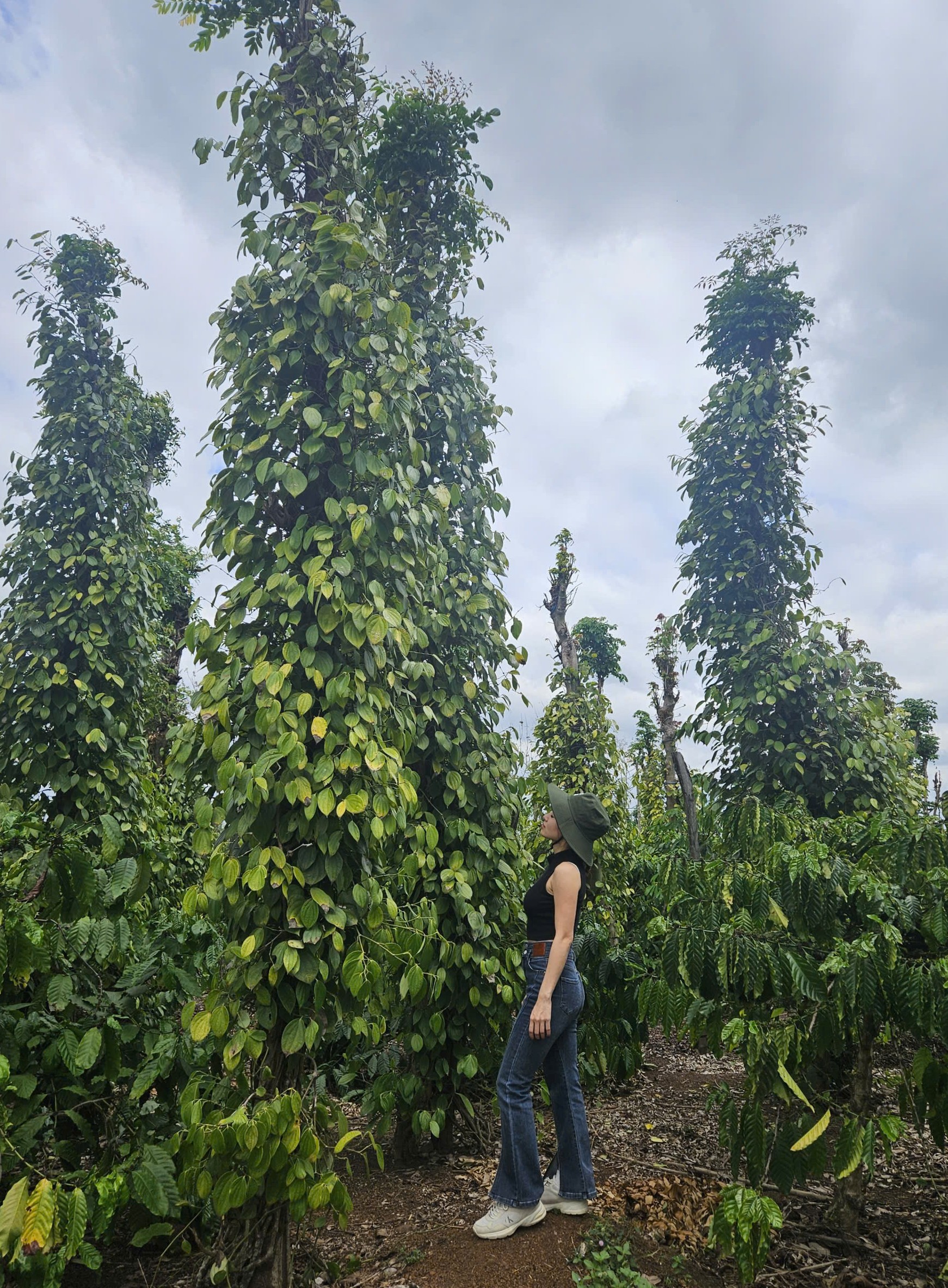
The shift from pepper to fruit crops is expected to continue in the short to medium term. While pepper will remain part of the agricultural landscape in Dak Lak, its cultivation area is likely to decline as farmers pursue crops with more stable and higher returns.
Conclusion:
The pepper sector in Dak Lak is undergoing a transition driven by production challenges and market dynamics. The expansion of durian and other fruit crops reflects farmers’ strategic adaptation to improve profitability and reduce agricultural risk.
-
Share:
-

-

-

-

Featured Articles
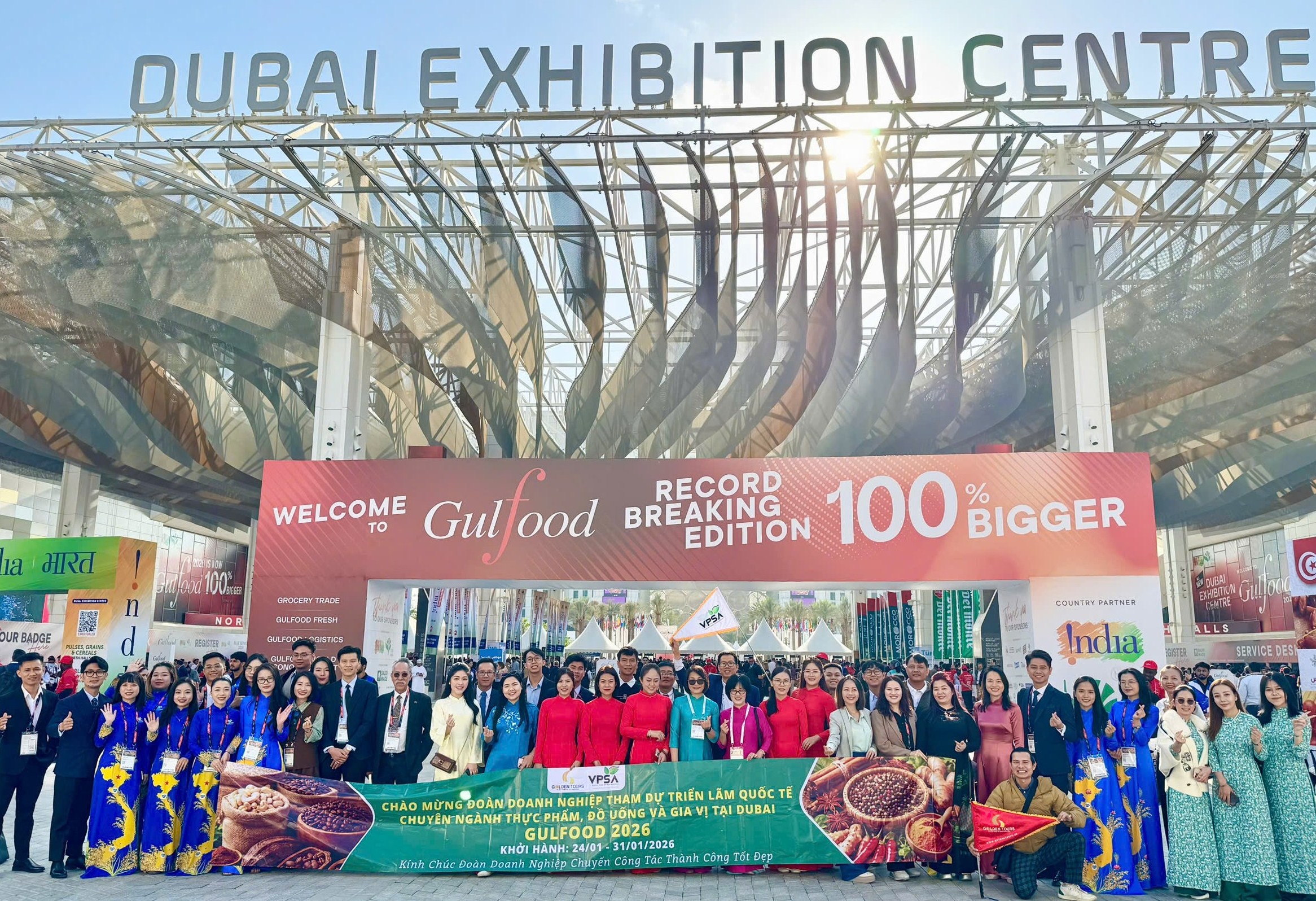
Lien Thanh Attending at Gulfood 2026, Dubai (26–30 January 2026)

KHU DÂN CƯ

BIỆT THỰ SÂN VƯỜN

NHÀ VƯỜN

Lien Thanh Participates in VIPO 2026 in Da Nang and Receives Top Pepper Exporter Award

QUÁN CÀ PHÊ

Black Pepper Market 2025: Vietnam and Global Industry Analysis with 2026 Forecast

CÔNG VIÊN

VĂN PHÒNG

Hoa hồi và các gia vị tạo nên nước dùng phở ngon trứ danh

Cành nhánh quế trở thành hàng hóa, không chỉ dùng trong nước mà còn để xuất khẩu.